
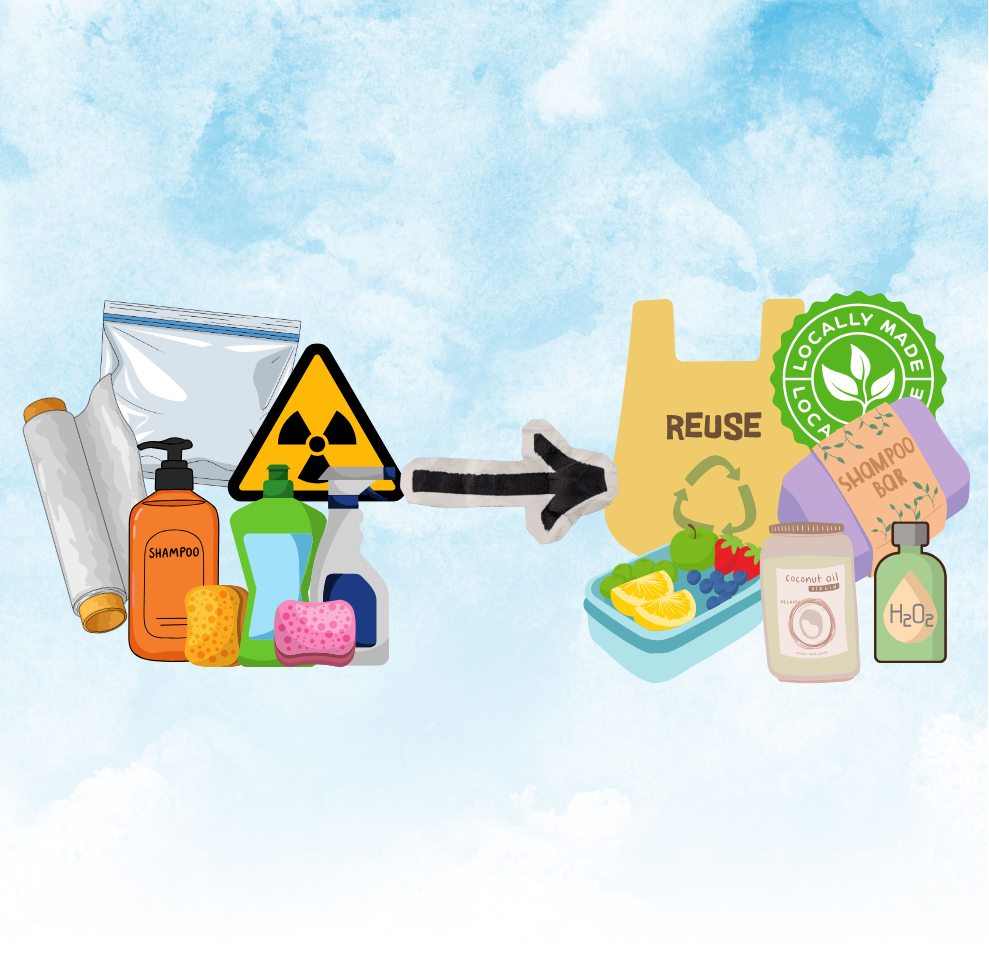
Simple Swaps for Everyday Products to Save Money and Help the Environment! – Part 3
- Swap out wasteful dryer sheets with reusable dryer sheets and/or dryer balls (which can either be purchased or made easily at home). A simple dryer ball DIY is to wrap 100% wool yarn tightly into 3-inch balls, secure them inside nylon stockings, and wash/dry them on high heat multiple times to felt them. They last for thousands of loads and eliminate the need for chemical dryer sheets. Additionally, use old t-shirts or cotton washcloths- cut into squares, and put into a sealable glass container with 1 ½ cups of white vinegar and 2 tablespoons or hair conditioner (or 10 drops of essential oils for scent). Before using, squeeze excess liquid from one sheet and put it into the dryer!
- Floss is often made from petroleum products and packaged in unrecyclable materials. Purchase one refillable glass container and buy large refill spools for about $4.50. Eco-friendly options like bamboo floss in refillable containers often comes with subscriptions to make them a smart economic choice. Additionally, water flossers cost about $15-$60 but eliminate the cost of buying floss. However, when it comes to oral health, always ask your dentist before changing your routine.
-
Paper napkins are not recyclable. Using natural cloth napkins instead (such as linen) is a much better option.
-
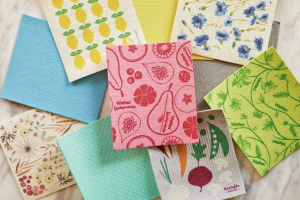
Sponges can be replaced with bamboo dish scrubs, bamboo pot scrapers, natural fiber wash cloths, and/or plant based/natural loofah sponges. You can buy a pack of Swedish dishcloths online for less than $10. These dishcloths are made from a combination of cellulose and cotton, which basically makes them a cross between a sponge and a paper towel. Just pop them in your washing machine to clean. Swedish dishcloths are made from a combination of cellulose and cotton, which basically makes them a cross between a paper towel and a sponge.
Swedish Dishcloths: Image by Serious Eats/ Eric King
Ask a friend or neighbor for ideas! Chances are, many of your acquaintances have excellent tips for how they save money and use sustainable options.


